Amazon FBA Accounting FAQs: Your Guide to Profitability
Struggling with Amazon FBA accounting? Get answers to your top questions and learn how to optimize your finances for maximum profit with Centennial Accounting Group.
Amazon FBA Accounting FAQs: Your Guide to Profitability
Navigating the complexities of Amazon FBA accounting can feel overwhelming, but it's crucial for unlocking true profitability and ensuring compliance. This guide answers common questions about managing your finances when selling through Amazon's Fulfillment by Amazon (FBA) service.

Understanding Your Amazon FBA Sales and Fees
What are the essential financial elements I need to track for my Amazon FBA business?
Key financial elements include your gross sales, Amazon's selling fees (referral fees, FBA fulfillment fees, storage fees), cost of goods sold, advertising expenses, shipping costs, returns and refunds, and any other operational expenses. Accurately tracking these helps you understand your true profit margins per product and overall.
Scenario: Sarah runs a small business selling handmade soaps on Amazon FBA. She diligently tracks her sales but often forgets to account for Amazon's monthly storage fees. This leads to her underestimating her true profitability, especially for slower-moving inventory. By implementing a system to track all Amazon fees, she can better forecast her expenses and identify which products are most profitable.
Automating and Optimizing Amazon FBA Accounting
How can I streamline my Amazon FBA accounting process?
Leveraging accounting software that integrates with Amazon Seller Central is paramount. Look for solutions that can automatically pull sales data, fee information, and expenses. Consider professional bookkeeping services to ensure accuracy and save you valuable time. This allows for real-time insights into your cash flow and profitability.
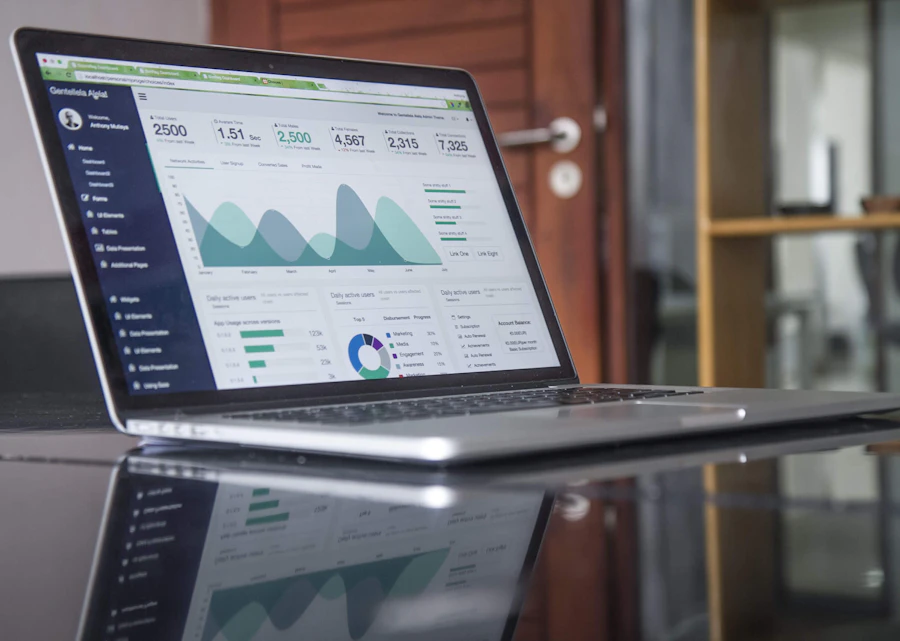
Scenario: David sells electronics via Amazon FBA. He's been manually downloading reports and inputting data into a spreadsheet, which is time-consuming and prone to errors. After connecting his Amazon account to specialized e-commerce accounting software, he sees a significant reduction in administrative work and gains clearer visibility into his daily sales performance. This allows him to make quicker, data-driven decisions about inventory management and marketing spend.
Common Mistakes to Avoid in Amazon FBA Accounting
What are the most common accounting pitfalls for Amazon FBA sellers?
One of the biggest mistakes is not properly allocating all Amazon fees. Referral fees, fulfillment fees, storage fees, and advertising costs must all be accounted for to determine true product profitability. Another common error is failing to track your cost of goods sold (COGS) accurately, which directly impacts your gross profit calculation.
Ignoring sales tax obligations for various states can lead to significant penalties. Colorado sellers, for instance, must understand sales tax nexus rules, and if you’re selling across state lines via FBA, you may have economic nexus in many other states. Ensuring your tax preparation services are up-to-date on these nuances is vital.
Another trap is not separating personal and business expenses. This can lead to a muddled financial picture and complications during tax season or audits. Keeping a clear distinction ensures you can claim all eligible business deductions and potentially avoid audit defense issues.

Scenario: Maria sells children's toys on Amazon FBA. She deducts the cost of inventory as she buys it, rather than when the inventory is sold. This distorts her profit and loss statement, making it seem like she's less profitable than she actually is. A professional bookkeeping review reveals this error, prompting her to adjust her accounting method to accurately reflect her COGS based on the accrual method, aligning with best practices for e-commerce accounting.
Advanced Amazon FBA Accounting Strategies
How can I use my Amazon FBA accounting data to improve my business?
Analyzing your data can reveal which products are your most profitable and which are underperforming. This insight can guide decisions on inventory purchasing, marketing strategies, and even product development. Understanding your key performance indicators (KPIs) like profit margin, customer acquisition cost, and inventory turnover rate is crucial for growth.
Consider using fractional CFO services to gain strategic financial guidance. A fractional CFO can help you build robust financial models, forecast future performance, and develop strategies for sustainable growth, moving beyond simple bookkeeping.
Scenario: Raj notices through his Amazon FBA accounting reports that a particular line of his pet products has a significantly higher profit margin but lower sales volume than other items. He decides to increase his advertising spend on these higher-margin products and runs a limited-time promotion. This strategy successfully boosts sales for his most profitable items, increasing overall company profits.

Bottom Line
Mastering Amazon FBA accounting is not just about compliance; it's about building a foundation for a sustainable and profitable e-commerce business. By understanding your revenue streams, meticulously tracking all fees, leveraging technology, and seeking expert advice, you can gain clarity and confidence in your financial performance.
Centennial Accounting Group specializes in providing tailored accounting solutions for E-commerce & Online Sellers, including those utilizing Amazon FBA. From tax preparation services and professional bookkeeping to setting up business formation and managing payroll services, our team has the expertise to support your growth. Explore our E-commerce & Online Sellers services or schedule a free consultation with us today to discuss your specific needs.
Disclaimer: This content is for informational purposes only and does not constitute professional financial or tax advice. Consult with a qualified accountant or tax professional for advice tailored to your specific situation. Colorado tax laws and regulations are complex and subject to change.
Sources & References
This article references information from the following authoritative sources:
Before making any tax-related decisions, we strongly recommend consulting with a qualified tax professional or accountant. CAG Accountant is not responsible for any actions taken based on the information in this article. All referenced trademarks and copyrights belong to their respective owners.
© 2026 Centennial Accounting Group. All rights reserved.
Need Professional Guidance?
Our team can help you implement these strategies for your specific situation.
Book Free Consultation