How to Improve Food Cost Percentage Tracking for Denver Eateries
Master food cost percentage tracking to boost your restaurant's margins. Learn expert financial strategies from Denver's top hospitality CPAs today.
Updated: October 24, 2026
Running a successful restaurant in a competitive market like Denver requires more than just a great menu and a prime location. It requires a relentless focus on the numbers behind the plate. For many owners, food cost percentage tracking is the difference between a thriving business and one that struggles to make ends meet at the end of the month.
Whether you are managing a boutique café in LoHi or a high-volume steakhouse in Cherry Creek, understanding your prime costs is vital. This guide is designed to help you tighten your operations, reduce waste, and improve your bottom line through systematic tracking. If you find your margins tightening, our team at Centennial Accounting Group is here to help you get back on track.

What You'll Need
- Access to your Point of Sale (POS) system reporting.
- Accurate and up-to-date vendor invoices.
- A current, verified recipe costing database (or an Excel/Google Sheet equivalent).
- A set schedule for physical inventory counts (weekly is highly recommended).
- Support from reliable professional bookkeeping to ensure data accuracy.
Step 1: Standardize Your Inventory Counting Process
You cannot manage what you do not measure. Most Denver eateries that struggle with food costs fail because their inventory counting is inconsistent. You must treat your pantry and walk-in cooler like a bank vault.
Establish a standard "count day" each week. Use the same order for your shelves every time so that your count sheets match the physical layout of your storage areas. This reduces errors and makes the process significantly faster for your kitchen staff.
Step 2: Calculate Your Ideal vs. Actual Food Cost
This is where the magic happens. Your "Ideal Food Cost" is what your costs should be based on your sales mix and your recipe costs. Your "Actual Food Cost" is what you spent based on beginning inventory, purchases, and ending inventory.
If there is a massive gap between these two numbers, you have a leak. This could be due to theft, heavy waste, or unrecorded food spoilage. Identifying this variance is the first step in protecting your profit margins.
Step 3: Account for Local Regulatory Costs
Operating in Colorado brings unique financial challenges. From Denver’s specific minimum wage ordinances to the state-mandated FAMLI program, your labor and operating costs are unique. If you aren't integrating these local requirements into your financial planning, your food cost percentage tracking will never be truly accurate.
Consider the scenario of "The Peak Kitchen," a hypothetical bistro in downtown Denver. By failing to account for fluctuating market prices of Colorado-sourced beef and the increased administrative costs of compliance, they were under-pricing their signature dishes by 12%. Don't let compliance blindspots erode your margins.
Step 4: Implement a Recipe Costing Database
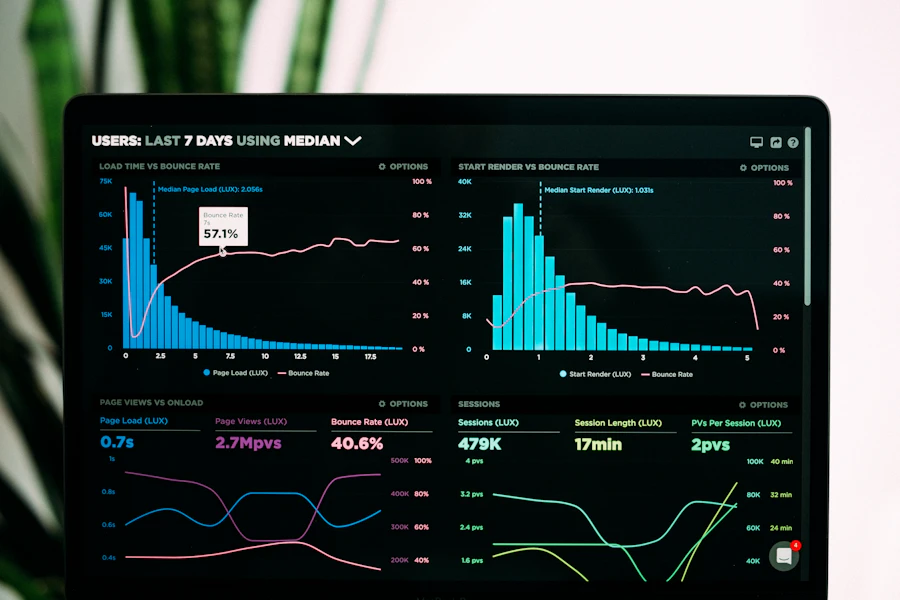
Many owners rely on "gut feel" to price their menus. In a market as dynamic as Colorado’s, this is a recipe for disaster. You need a detailed database that tracks every ingredient—down to the tablespoon of oil or the sprig of garnish.
Every time a vendor price changes, update your database. If you are struggling with the time-intensive nature of this, consider how our fractional CFO services can assist in setting up automated systems that alert you when costs exceed your target thresholds.
Step 5: Review and Adjust Your Menu
Once you have reliable data, it is time to look at your menu engineering. Some items may have a low food cost percentage but also low volume. Others might be popular but are essentially "loss leaders."
Use your food cost percentage tracking to identify your "stars" and your "dogs." If an item is expensive to produce and isn't a customer favorite, consider removing it or reformulating the dish to use more cost-effective, high-quality ingredients.
Common Pitfalls
The most common mistake we see at Centennial Accounting Group is "inventory creep." This happens when kitchen managers fail to log waste or comps. If a dish is sent back or a tray of prep is dropped, it must be recorded as waste.
Another pitfall is failing to account for "comped" meals. Whether it is an owner’s meal or a client promotion, these costs are part of your food cost profile. If you don't track them, your reported food cost percentage will be artificially inflated, leading you to believe you have a waste problem when you actually have a documentation problem.
When to Get Professional Help
Tracking food costs is a full-time job in itself, and we know your priority is the guest experience. If your restaurant is growing, or if you feel like you are constantly playing catch-up with your finances, it is time to bring in the experts.
From tax preparation services to robust payroll services that ensure you remain compliant with Colorado labor laws, our team understands the nuances of the hospitality industry. We don’t just crunch numbers; we provide the clarity you need to make profitable decisions.
Ready to get a handle on your food costs and scale your restaurant successfully? Visit our Restaurants & Hospitality services page to learn more about how we support local eateries across the state. If you are ready to talk strategy, schedule a free consultation with our Denver-based experts today.
Sources & References
This article references information from the following authoritative sources:
Before making any tax-related decisions, we strongly recommend consulting with a qualified tax professional or accountant. CAG Accountant is not responsible for any actions taken based on the information in this article. All referenced trademarks and copyrights belong to their respective owners.
© 2026 Centennial Accounting Group. All rights reserved.
Need Professional Guidance?
Our team can help you implement these strategies for your specific situation.
Book Free Consultation